
|
Now that the State of California is officially on "Lockdown", many people are trying to figure out how to stay home and how to get everything delivered.
Although many California residents have been able to switch to various restaurant and grocery delivery services, the majority of us is still having a hard time figuring out how to handle the "sterilization" procedures for all the "incoming goods". How do you even order a pizza these days? We have to wash our hands every time we come in contact with something that has been potentially contaminated, but in a practical sense, how do we go about doing it? It is certainly a conundrum! There are so many questions that come up. Is it safe to eat the food? What about cash tips? What needs to be disinfected? How? Of course there is a million points of view on the internet, but in reality, no one really knows exactly! So here we are... Welcome to the 2020! (Everyone kept saying last year, "Oh, 2020 is going to be so much better!" I really don't know where they get their information, by people really need to start using better sources!) But I digress... Back to the pizza delivery challenge... (Sorry, for another tangent, but have you ever thought that you would have to consult multiple experts before ordering a pizza? You have to admit, it is a little bit humorous!) So what should we do? Imagine you get some food delivered. If you come in contact with the person who is delivering your food or grocery items, try to keep a distance of at least 6 feet. My advice would be no cash tips or paper receipts. Hopefully, the service that you use will have better alternatives. Yes, may feel awkward and uncomfortable, but these are the times we live in. It's not easy, but we can still smile at each other and wave, it's a matter of being smart, not fearful. I am going to compare our current situation to being at risk of exposure to glitter or cheetos (disclaimer: I love both), and if you have ever come across either one of those, you know exactly what I am talking about! Have you ever received a glittery holiday card or overindulged in Cheetos? You know that you had to keep washing your hands to get the glitter or the cheetos dust off - same is true now, we need to keep washing our hands - it is as if the whole out there, everything outside of your home, was covered with Cheetos and glitter! If you keep that in mind, it might help you figure out how to handle your deliveries, and especially the importance of washing your hands and keeping them clean. So let's say your items have been delivered in bags or in a cardboard box. How would you unpack it if it was covered in glitter and you didn't want it in the house? I can tell you, the CDC does not have an answer! So you just have to use common sense. Jokes aside, here is some information that you might find helpful. From what we know as of right now, SARS-CoV-2 (the coronavirus that causes COVID-19) can stay around on various surfaces for some time:
So be mindful of that. Personally, I set my non-food deliveries aside to be opened later - for at least 24 hours or longer depending on the contents. You certainly don't want to wait for days when you are getting your food delivered - so for food and perishables, be prepared to do some extra handwashing and extra disinfecting, followed by more handwashing. As far as the food itself, based on what we know now, you cannot contract the virus by eating something. We will know more over time, and I will continue sharing information with you if anything changes. In the meantime keep washing your hands for at least 20 seconds after you touch anything from outside (or use 60%+ alcohol-based hand sanitizer if you don't have access to soap and water). Hope this helps :) Please stay safe! - Dr. Danilychev PS: Just for laughs: "Cheetos interrogation" PPS: I miss Cheetos!
2 Comments
I spend hours going through all the available data on SARS-CoV-2, the virus that is causing current pandemic, I also communicate daily with front-line physicians and experts, who understand this disease better than all of us. Many of these frontline physicians are not able to share their experiences publicly out of the fear of retaliation from their hospitals' administration and also out of concern about the reaction of the public. In the end, this important information needs to be shared so that the people can make educated decisions about how to protect themselves and how to help protect their healthcare providers: Below is a letter from one of the doctors, whom I consider to be an expert : A LETTER FROM AN EXPERT"I have debated whether to post about my suspicions regarding airborne transmission of SARS-CoV-2 and COVID-19, whether I’d be causing unnecessary panic over something we can’t do a whole lot about. I think it’s time.
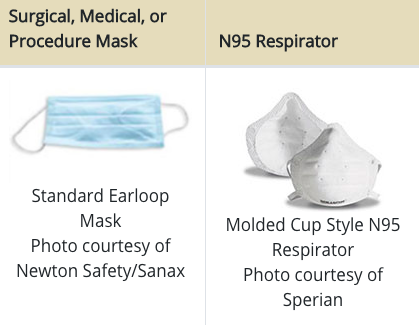
There is much I can’t say in public that’s scaring the crap out of me and keeping me up all night. Those of you who know me well, know that I research exhaustively and am very logical and data driven. The data is bad. I am the lead author of several publications on aerosol deposition in the airway. So when I talk about aerosol inhalation, I have more in depth understanding of this than most physicians. Not all—some know a lot more than I do. But most. Airborne vs droplet precautions are archaic. Airborne precautions require healthcare workers to don previously fit tested N95 masks or PAPRs (powered air purifying respirators), in addition to eye protection, gown, and gloves. Fit testing, which must be done before a healthcare worker can safely use N95 masks, ensures no air can be inhaled through gaps between the wearer’s skin and the edge of the mask. This is critical. Droplet precautions require a regular surgical mask, gown, eye protection, and gloves. Airborne transmission relates to an infectious agent’s ability to infect others at a significant distance through aerosols. Aerosols are small particles of potentially infectious material generated by coughs and sneezes. Aerosols remain suspended in the air for some time. They don’t immediately fall and land on surfaces like the larger particles, droplets, do. Aerosols suspended in the air can infect others in close proximity, even if a disease is not classified as “airborne.” We know the coughs of a healthy person generate aerosols. not just droplets. We know viral infection (specifically influenza) can increase the percentage of small aerosols generated by a cough. We know small aerosols penetrate deep into the lungs. This is thought to be a mechanism by which influenza enhances its transmission from host to host. SARS-CoV-2 might be able to do the same. We just don’t know yet. Small aerosols <= 5 micrometers reach the lung alveoli when inhaled. That means the deepest lung tissue, where gas exchange occurs. SARS-CoV-2 remains viable in the air for hours, at a minimum, when aerosolized in vitro. And it is postulated that the method of transmission on cruise ships may include true airborne, through the ventilation systems. A regular surgical mask doesn’t protect the wearer against aerosols. It only helps to protect against droplets, for those in close proximity to expelled airway secretions. It also helps to keep the wearer’s own droplets in, to protect others and to maintain sterility. But it won’t stop anyone from inhaling aerosols Asymptomatic and mildly symptomatic people are contagious, as are their coughs. They probably don’t know they have COVID-19, and probably aren’t socially isolating. The cases we know about are just the tip of the iceberg. You’re probably breathing the virus in from someone’s cough, even if you don’t know it, as well as contracting it through contact with droplets, contaminated surfaces, and possibly the fecal-oral route. If people don’t start DRASTICALLY socially isolating, we have no hope of flattening the curve. HEALTHCARE WORKERS NEED N95 OR PAPR DEVICES NOT TO DIE. Please help by contacting your local, state, and national representatives, as well as philanthropists, to make them aware of the urgency of our need. And please, please stay home and stay away from others. Your life, the lives of those in close proximity to you, the lives of those you meet in passing, the lives of healthcare workers who may treat you, and their families’ lives, depend on it. Thank you." Physician, FL Anonymity preserved per doctor's request As of 03/20/2020 we still don't know enough about Coronavirus transmission. MY VIEWFrom my personal extensive analysis of the available data (references are available on this page) it is clear to me that the virus can be transmitted in the following way:
Additionally, it appears that SARS-CoV-2 (the Coronavirus responsible for this pandemic)
EXPERT VIEWCheck out a litter from an expert on the subject of transmission. It is really eye-opening... CLICK HERE to view the blog post with the letter. Please take the time to read the letter. It is important. Please share it as well. WHAT IT MEANS FOR YOUBe conscientious about your own hygiene and take active measures to protect yourself and others:
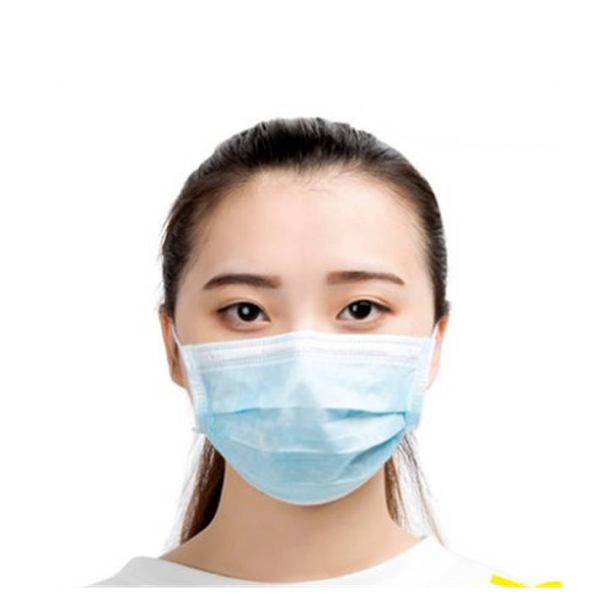
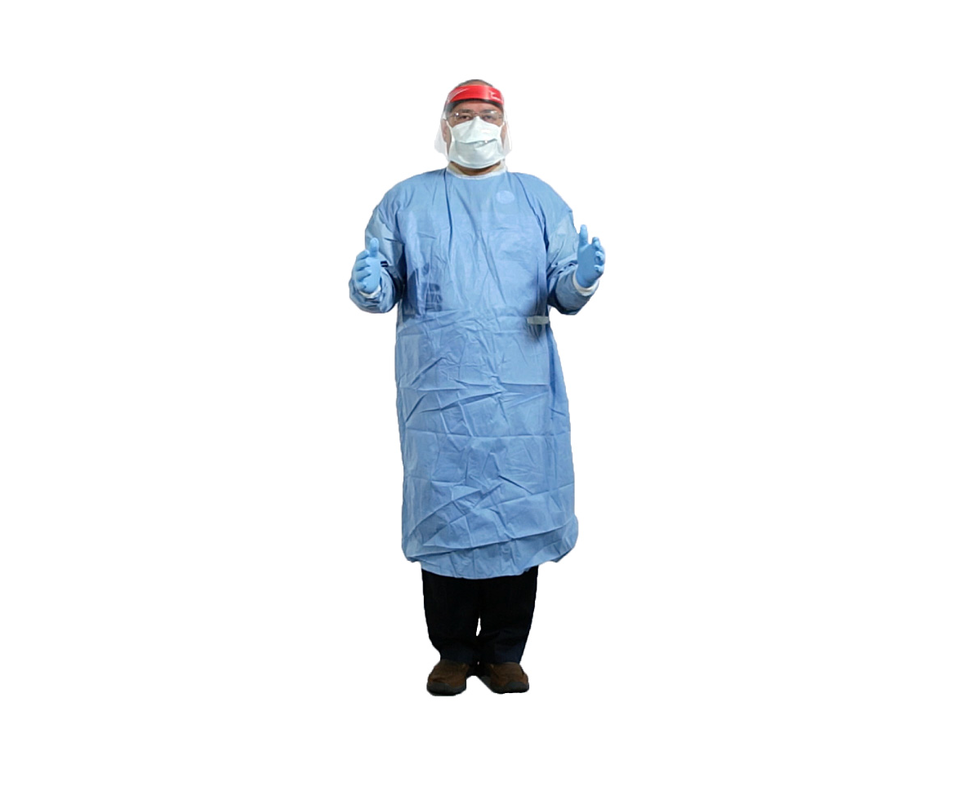
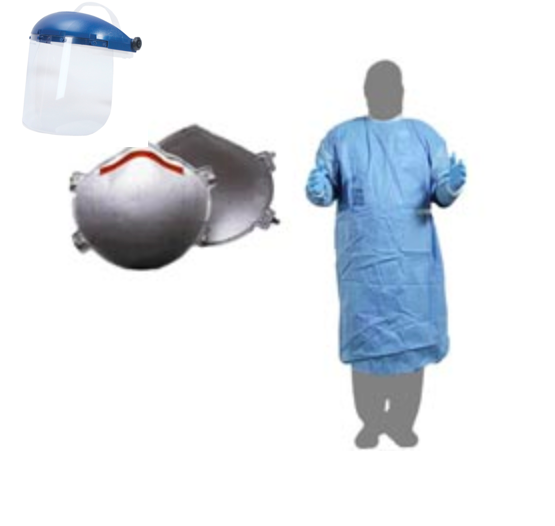
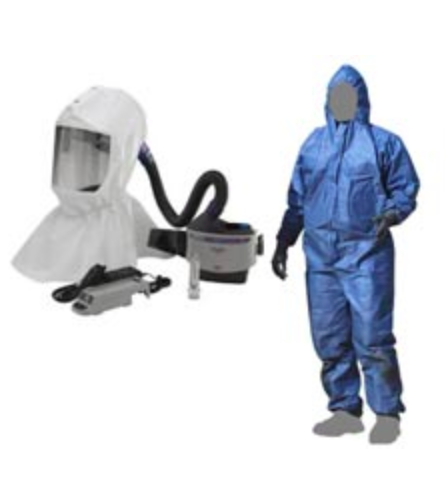
I know this is a lot to take in, but it will save lives. I am sorry if the information keeps changing all the time! I will do my best to continue keeping you updated. With love and care, Dr. Maria Danilychev, MD www.danilychev.com P.S.: Below are some images that may help makes sense of all the PPE (personal protective equipment) PERSONAL PROTECTIVE EQUIPMENTWhen around people outside of your home:To protect yourself from droplets in case some coughs or sneezes on you (and to protect the others from your own accidental cough or sneeze), you can use a scarf if you are not sick and a mask if you are (PS: please don't go in public if you are sick): PPE for healthcare workers
If you are sick at the hospital with a respiratory infection, you want all your doctors and care providers to look like the BEST photo above in the ideal case scenario.
Which masks are currently provided to healthcare workers? Very few get PAPRs, many do not have access to N95s, some healthcare workers don't even have enough regular masks, any many are instructed by their hospital administrators to wear suboptimal protective equipment to avoid "scaring" the public. Honestly, I would be more scared of a doctor who is unprotected and may be passing germs around, then the one who is fully "suited up". Please do whatever you can to help! You don't want people in the front lines to start getting sick and dying. Who is going to help the rest of the people? Physicians are notorious for being really bad at advocating for themselves. I've been asking everyone how is not adequately protected by their healthcare organization to speak up, but very few people are doing it. It will take a public outcry to for this horrible situation to change. I am doing everything I can to increase public awareness of this issue which is largely hidden from the public eye and which is not being adequately addressed. Please spread the word! Please find ways to contribute PPE to healthcare workers near you! |
AuthorDr. Maria Danilychev, M.D., is a San Diego based medical doctor with 20 years of experience and board-certified in Internal Medicine, Geriatrics, Hospice/Palliative Medicine, and as a Hospice Medical Director. Dr. Danilychev also conducts clinical trials and was one of the first responders during 9/11. ArchivesCategories
All
|

 RSS Feed